
Protect Your Home from Ground Moisture
Crawlspace Encapsulation in Hertford for homes with persistent humidity and ground vapor intrusion
J&W Crawlspace LLC installs heavy-duty vapor barrier systems that seal crawlspaces against ground moisture and outdoor air infiltration in Hertford. The encapsulation process creates a controlled environment beneath your home by wrapping floor joists, foundation walls, and dirt floors with reinforced barrier material. You'll notice drier air throughout your living space and lower energy bills once the system prevents humid outdoor air from cycling through your HVAC system.
Encapsulation involves more than laying plastic on the ground—proper systems extend barrier material up foundation walls, seal all seams with specialized tape, and address vents and access points where outside air enters. Coastal North Carolina's high humidity makes unencapsulated crawlspaces breeding grounds for mold growth and wood decay, since moisture condenses on cooler surfaces when warm outdoor air meets the crawlspace environment.
Request a crawlspace assessment to evaluate your current moisture levels and barrier requirements.
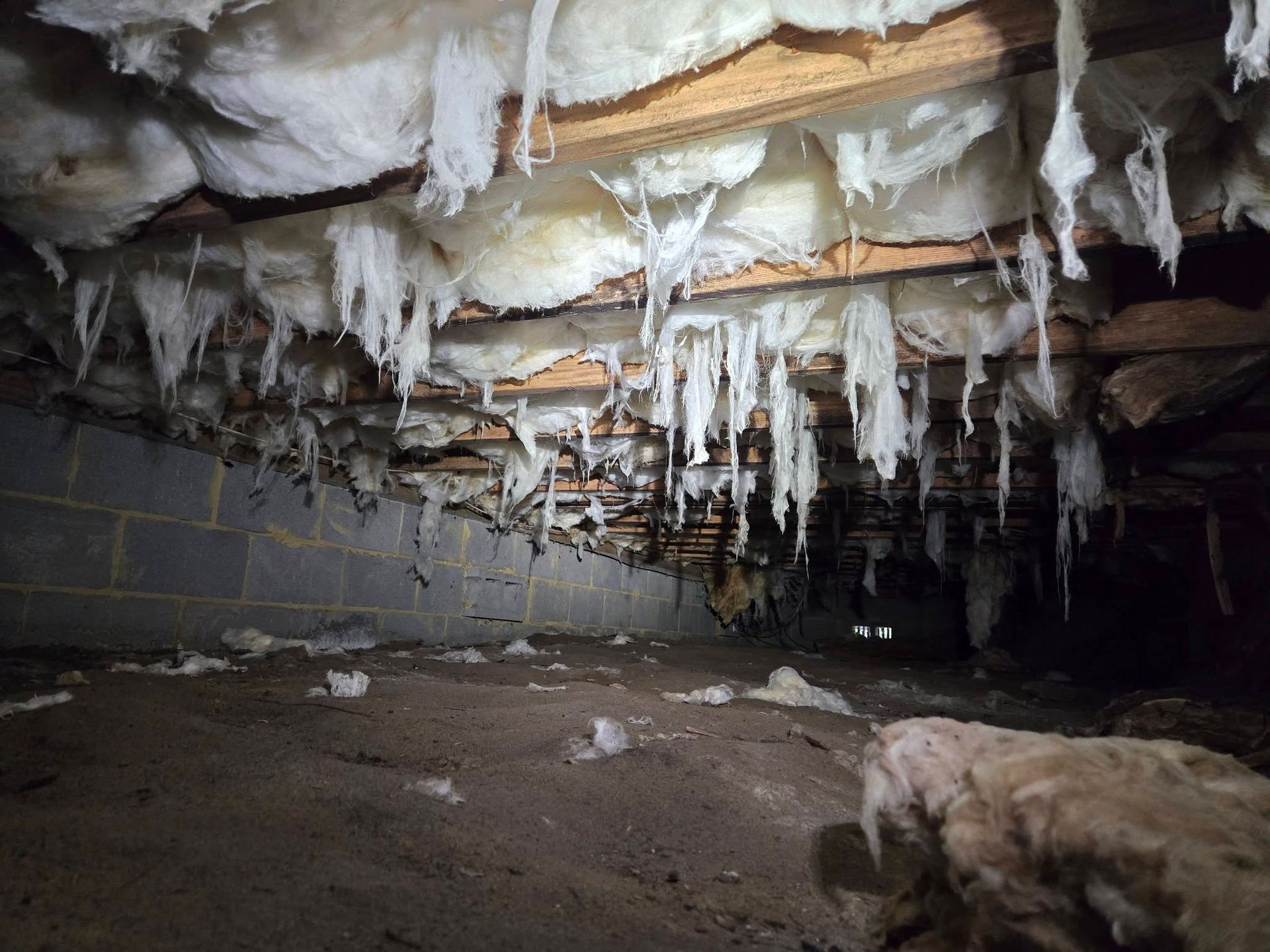
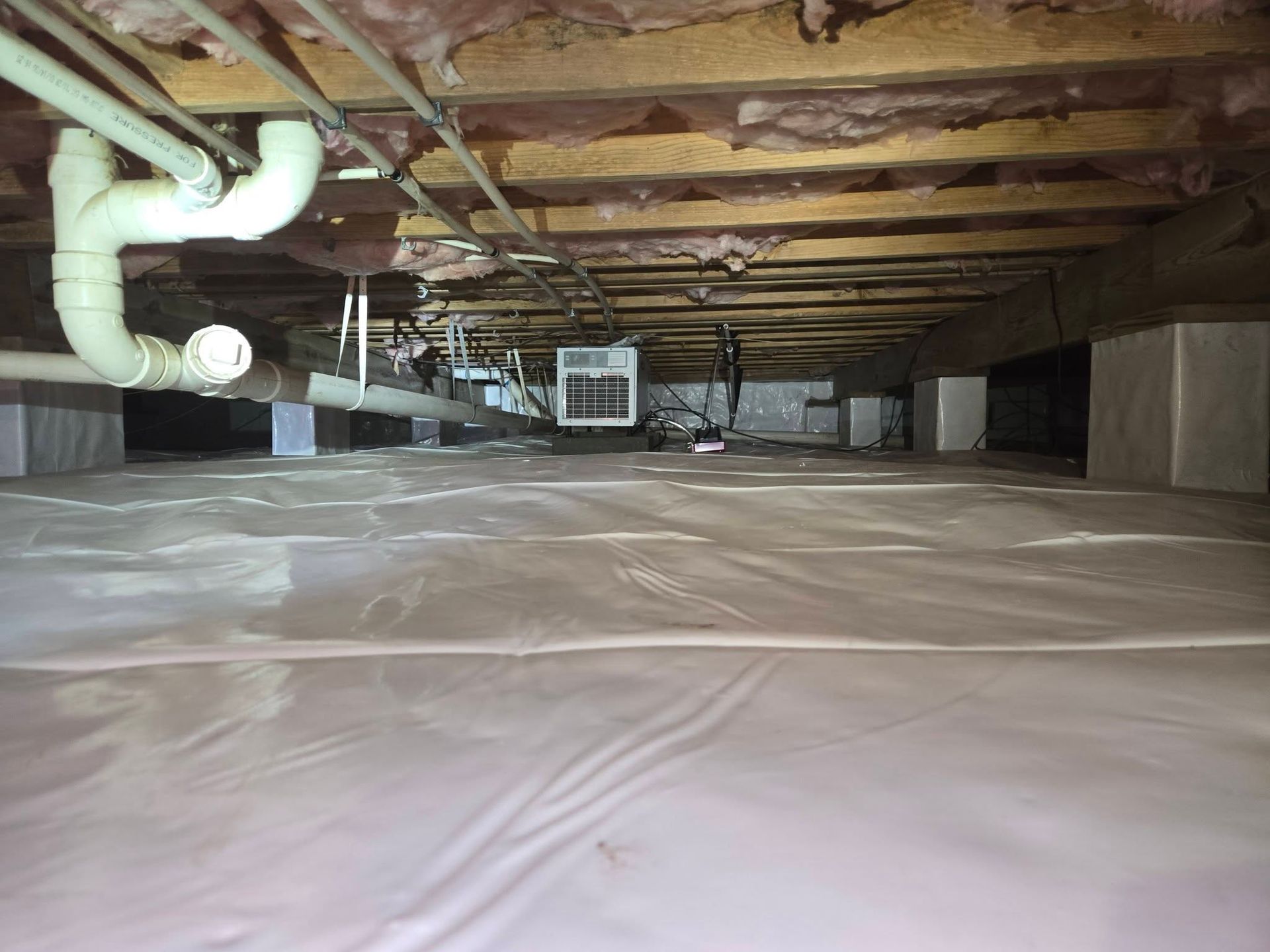
How Complete Sealing Changes Your Crawlspace
The encapsulation process starts with removing debris and standing water, then installing drainage systems if needed before any barrier goes down. Heavy-duty vapor barriers range from 12-mil to 20-mil thickness depending on crawlspace conditions, with reinforced versions using woven polyethylene layers that resist tearing during installation and future access needs.
After installation, you'll see visible condensation on ductwork disappear, musty odors diminish within weeks, and floor temperatures moderate as the barrier prevents ground cold from radiating upward. The sealed environment also stops insects and pests that enter through soil, since the barrier eliminates the dirt floor entry point they typically use.
Energy efficiency improvements come from reducing the load on your HVAC system—when humid air stops entering from below, your system works less to dehumidify living spaces. Some homeowners see humidity levels drop from 70-80% down to 50-55% after encapsulation, which makes the entire home more comfortable and protects belongings stored in closets and lower levels.
What Homeowners Ask About Vapor Barriers
Crawlspace conditions vary widely in Hertford, so questions about the encapsulation process help clarify what your specific situation requires and what changes you'll observe.
What thickness of vapor barrier do most crawlspaces need?
Most installations use 12-mil to 15-mil barriers for standard conditions, while crawlspaces with sharp rocks, frequent access needs, or previous pest activity benefit from 20-mil reinforced material that resists punctures.
How does encapsulation improve indoor air quality?
Sealing the crawlspace prevents mold spores, soil gases, and moisture vapor from rising into your living space through floor gaps and ductwork, which reduces allergens and musty odors throughout the home.
When should encapsulation happen relative to other crawlspace work?
Any structural repairs, wood replacement, or drainage installations must finish before the barrier goes down, since accessing those areas afterward requires cutting and resealing the encapsulation system.
What happens to existing vents after encapsulation?
Foundation vents get sealed permanently as part of the system, since the goal is eliminating outdoor air exchange rather than promoting it—older building practices encouraged venting, but encapsulation represents the opposite approach.
How long does the barrier material last once installed?
Quality vapor barriers remain intact for 20-25 years in most crawlspaces, though areas with frequent access for plumbing or electrical work may need patching over time where the material gets disturbed.
J&W Crawlspace LLC evaluates your crawlspace layout and moisture sources before recommending barrier specifications and drainage components. Schedule a property inspection to determine which encapsulation approach fits your foundation type and current conditions.