
Systems That Keep Water Out Permanently
Crawlspace Waterproofing in Hertford for properties experiencing standing water and chronic drainage problems
Standing water in your crawlspace after rain indicates that surface drainage directs runoff toward your foundation or that groundwater rises through soil during wet periods. J&W Crawlspace LLC installs interior drainage channels that intercept water before it spreads across the crawlspace floor, routing it to sump pump basins that discharge outside the foundation perimeter. Coastal plain topography around Hertford means shallow water tables and clay soils that don't absorb water quickly, making mechanical drainage necessary for many properties.
Waterproofing systems work by giving water a deliberate path—perforated pipe set in gravel-filled trenches collects water along foundation footings and slopes toward a collection basin. Sump pumps activate when water reaches a set level, ejecting it through discharge lines that empty at least ten feet from the foundation where it can't return.
Schedule a site evaluation to identify where water enters your crawlspace and which drainage approach fits your property grade.
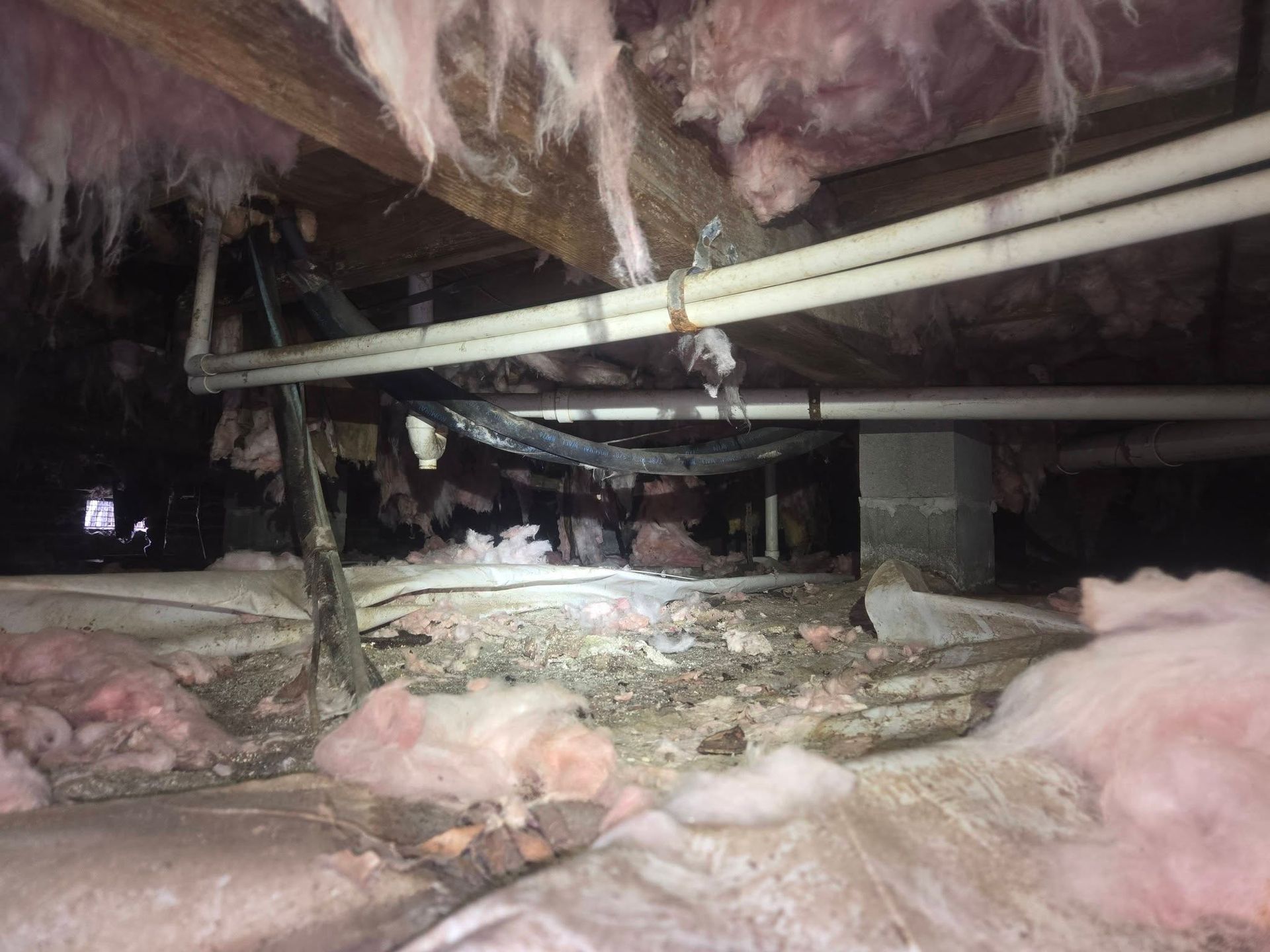
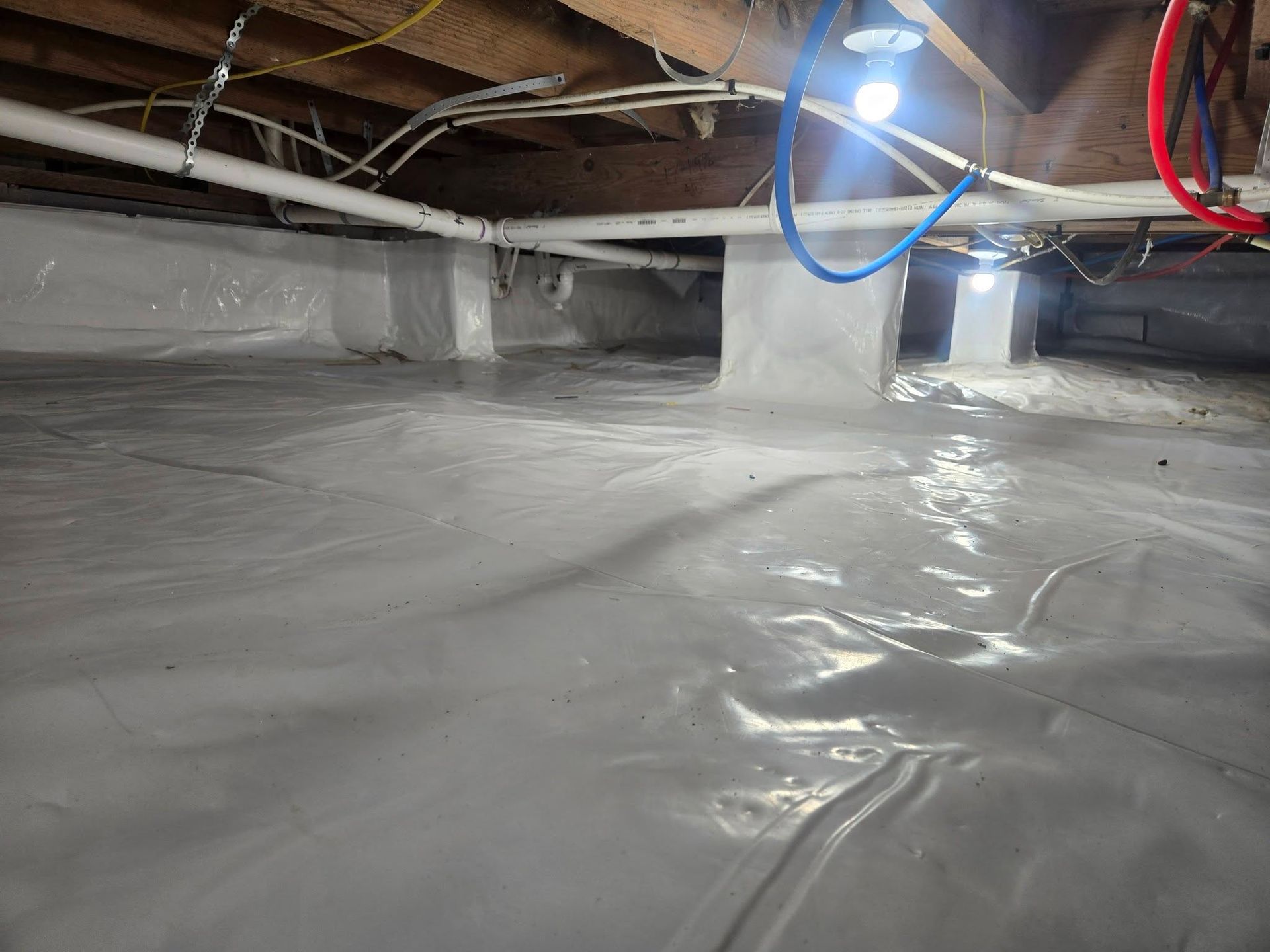
What Changes After Drainage Systems Install
Installation requires excavating trenches along the interior foundation perimeter, setting perforated drainage pipe with the perforations facing down, and covering it with washed gravel that allows water to enter freely. The system ties into a sump basin positioned at the lowest crawlspace point, where a submersible pump with battery backup handles water removal even during power outages.
After the system activates, you'll see dry crawlspace floors even during heavy rain events—puddles and standing water disappear because the drainage intercepts it before accumulation occurs. The sump pump runs periodically during wet weather, and you'll hear it cycle on and off as the basin fills and empties, which confirms the system is capturing water that previously pooled on your crawlspace floor.
Long-term moisture protection depends on maintaining clear discharge lines and testing the pump annually, since clogs or pump failure allow water to accumulate again. Most systems include alarm features that alert you if the pump fails or water rises above normal levels, giving you time to address issues before damage occurs.
Common Questions About This Service
Waterproofing involves permanent changes to your crawlspace, so understanding the system components and maintenance needs helps you make informed decisions.
What size sump pump do crawlspaces typically need?
Most residential crawlspaces use 1/3 to 1/2 horsepower pumps capable of moving 35-50 gallons per minute, with pump selection depending on how quickly water enters during peak rain events and how far it must be discharged.
How does waterproofing differ from encapsulation?
Waterproofing removes liquid water through drainage and pumping, while encapsulation blocks water vapor with sealed barriers—properties with standing water need waterproofing first, then encapsulation to address humidity.
When should you add a battery backup to the sump pump?
Any property that experiences power outages during storms needs backup power, since that's precisely when the pump works hardest and failure would cause immediate flooding.
Why do some crawlspaces flood even with gutters and grading?
Hertford's clay soils and high water table mean groundwater rises from below during prolonged rain rather than just running off the surface, which requires interior drainage regardless of exterior water management.
What maintenance does a waterproofing system need over time?
Annual pump testing, cleaning debris from the sump basin, checking discharge line endpoints for clogs, and verifying that drainage channels remain clear where accessible keeps the system functioning reliably.
J&W Crawlspace LLC designs drainage systems based on your crawlspace dimensions, soil conditions, and observed water intrusion patterns. Request a waterproofing consultation to review system layouts and pump specifications for your property.